
How to Choose the Best Branded Promotional Items for Your Organisation
Discover how to choose the right branded promotional items for your business, school, or event. Practical tips on products, budgets & ordering.

Written by
Vincent Chua
Corporate Gifts
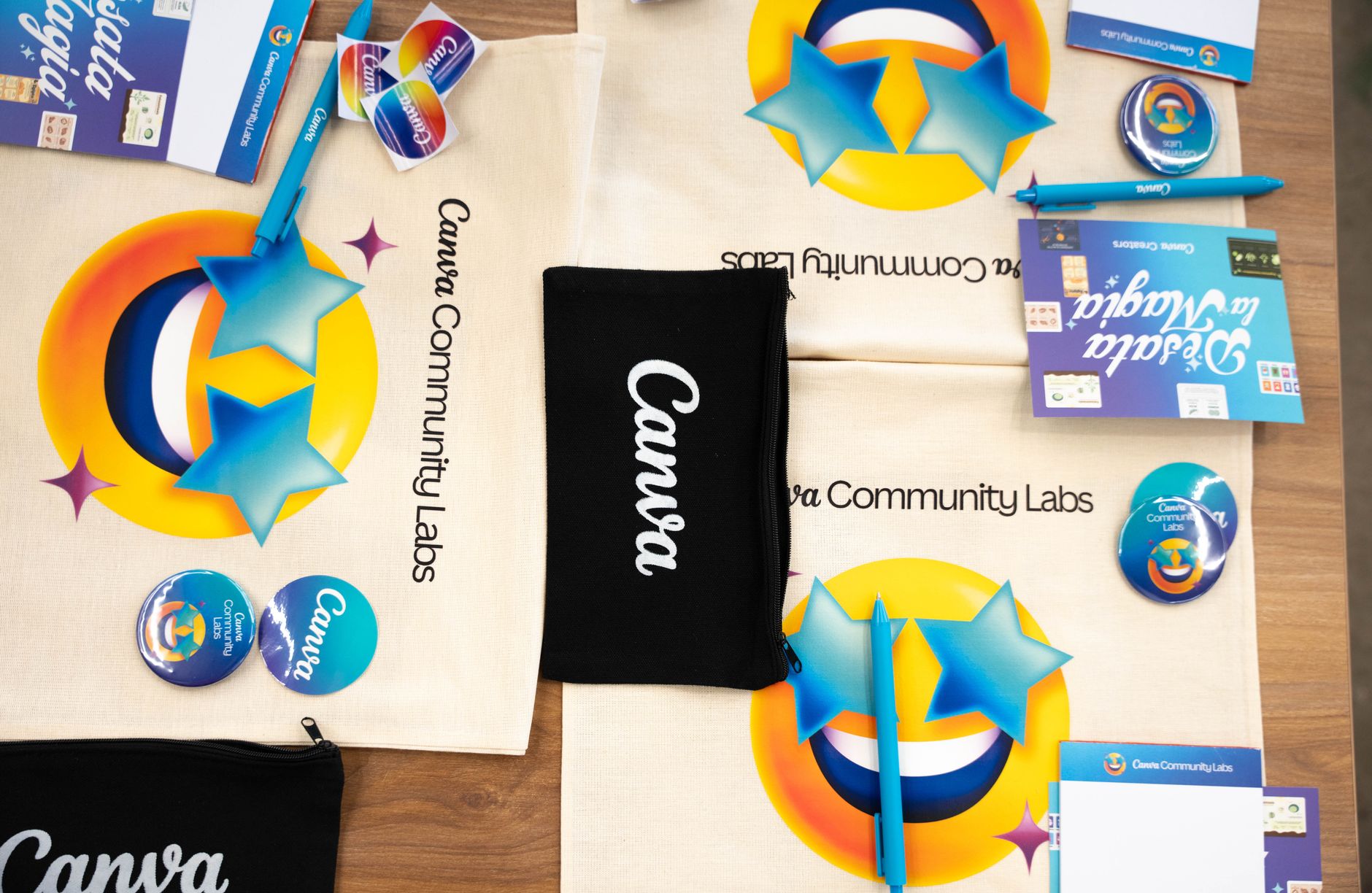
Choosing the right branded promotional items can feel overwhelming — and that’s completely understandable. With hundreds of product categories, dozens of decoration methods, and an enormous range of price points, it’s easy to end up with a box of generic merchandise that nobody wants. But when you get it right? Promotional products become one of the most cost-effective marketing tools in your arsenal. Whether you’re a Sydney-based corporate organising a client gift campaign, a Melbourne primary school running a fundraiser, or a Brisbane conference team planning your next expo booth, this guide will walk you through everything you need to know to make smart, strategic decisions about your branded merchandise.
Why Branded Promotional Items Still Matter in 2026
It might seem like a bold claim in an era dominated by digital marketing, but physical branded products continue to deliver remarkable returns. Unlike a social media ad that disappears from a feed within seconds, a quality branded item lives on a desk, in a bag, or on a person — creating ongoing brand impressions every single day.
Research consistently shows that recipients are more likely to remember a brand after receiving a useful promotional product than after seeing a digital advertisement. The reason is simple: physical items trigger tactile and emotional responses that screens simply can’t replicate. A well-chosen, high-quality product communicates that your organisation values the relationship — whether that’s with a customer, a student, a donor, or a conference attendee.
In the Australian context, branded promotional items are used widely across sectors. Government departments in Canberra stock branded merchandise for community outreach events. Real estate agencies in Perth hand out practical desk accessories to new clients. Sporting clubs on the Gold Coast outfit players and supporters with custom apparel. The breadth of applications is enormous — and the fundamentals of selecting the right product remain consistent across all of them.
Understanding Your Audience Before Selecting Products
Before you browse a single product catalogue or request a quote, you need to get clear on one critical question: who is receiving this item?
Your audience determines everything — the product type, the quality level, the decoration method, and the messaging on the item itself. Getting this wrong is the single most common reason organisations end up with promotional products that miss the mark.
Corporate and Business Audiences
For corporate clients, employees, or business partners, quality matters enormously. A flimsy pen or a poorly printed tote bag sends exactly the wrong message. Instead, focus on premium items that reflect your brand positioning — think custom branded drinkware like insulated travel mugs, high-quality leather notebooks, or sophisticated tech accessories such as wireless chargers and premium USB hubs.
Corporate gift campaigns in particular benefit from thoughtful curation. Consider what your recipients actually do each day. A financial services firm in Sydney might choose elegant branded notebooks and quality pens for client gifting. A tech company in Melbourne might lean towards branded wireless earbuds or power banks. The goal is utility combined with a sense of occasion.
Schools and Educational Institutions
Schools across Australia — from primary schools in Adelaide to secondary colleges in Hobart — use branded promotional items for a wide range of purposes: welcome packs, sports carnivals, fundraising events, and end-of-year celebrations. For younger students, fun, colourful, and durable items work best. Think branded water bottles, tote bags, and caps.
For staff and parent engagement, the bar is slightly higher. A well-produced branded keep cup or quality tote bag creates a sense of school pride without breaking the budget. If you’re running a sporting event or inter-school competition, custom sports day merchandise, such as screen-printed t-shirts and branded caps, is perennially popular and cost-effective at volume.
Events, Conferences, and Trade Shows
Event merchandise serves a dual purpose — it rewards attendees and it extends your brand reach well beyond the venue. For conferences and expos, practicality is king. Items that attendees will actually use during and after the event — branded tote bags, notebooks, pens, lanyards, and reusable water bottles — consistently outperform novelty items that end up in the bin.
If you’re managing a trade show booth, consider how your giveaways will attract foot traffic. Lower-cost items handed out freely can draw visitors in, while premium items reserved for qualified leads create a sense of exclusivity. For more on this, take a look at our guide to trade show promotional products.
Choosing the Right Product Category
With your audience firmly in mind, the next step is selecting the right product category. Here’s a practical breakdown of the most popular categories and when they work best.
Drinkware
Branded drinkware — including insulated water bottles, keep cups, and ceramic mugs — is consistently one of the highest-performing promotional product categories. Why? Because almost everyone drinks something every day. A quality branded water bottle can generate thousands of impressions over its lifetime, making it exceptional value for money. For choosing the best promotional drinkware for your brand in 2026, focus on quality construction, leak-proof designs, and decoration methods that won’t fade or peel.
Custom Apparel
From embroidered polo shirts to screen-printed hoodies, custom apparel is arguably the most versatile category in branded merchandise. Staff uniforms, event t-shirts, club jerseys — the applications are endless. For custom branded workwear and uniforms, embroidery is often the preferred decoration method due to its durability and professional appearance. For event apparel printed in bulk, screen printing offers excellent cost efficiency at higher quantities.
Bags and Totes
Reusable bags are among the most requested branded promotional items in Australia, particularly as organisations respond to growing demand for eco-conscious products. Branded tote bags, backpacks, and cooler bags offer large print areas for your logo and messaging. A Melbourne council sourcing branded bags for a sustainability expo, for example, might opt for recycled material totes to align with their environmental messaging. Read our overview of branded bag options for events and corporates to compare styles and materials.
Stationery and Office Products
Branded notebooks, pens, lanyards, and sticky notes are workhorses of the promotional products world — especially for office-based organisations and educational institutions. They’re cost-effective, universally useful, and available at low minimum order quantities (MOQs), which makes them ideal for smaller campaigns or last-minute orders.
Eco-Friendly Merchandise
Sustainability is no longer a niche consideration — it’s a mainstream expectation. Many Australian organisations now specifically request eco-friendly alternatives, including bamboo products, recycled plastic items, and organic cotton apparel. If your brand values align with environmental responsibility, eco-friendly promotional products offer a powerful way to communicate that authentically.
Decoration Methods: Getting Your Logo Right
Your product choice is only half the equation. The decoration method — how your logo and artwork are applied to the item — has a significant impact on the final result, and different methods suit different products.
- Screen printing is ideal for flat surfaces like t-shirts, tote bags, and caps. It’s cost-effective in volume and produces vibrant, durable results.
- Embroidery suits apparel and fabric items where a premium, textured finish is desired — polo shirts, caps, and jackets in particular.
- Laser engraving is perfect for hard surfaces like metal drinkware, pens, and awards, delivering a sharp, permanent finish.
- Pad printing works well for smaller items like pens, USB drives, and keyrings.
- Sublimation printing allows for full-colour, edge-to-edge decoration on items like polyester apparel, mouse pads, and ceramic mugs.
For a deeper comparison, our guide to decoration methods for promotional products covers each technique in detail.
Budgeting and Ordering: What You Need to Know
One of the most common pain points for organisations ordering branded promotional items is managing costs effectively. Here are the key considerations.
MOQs and Bulk Pricing
Most promotional products come with minimum order quantities — typically starting between 25 and 100 units depending on the product and supplier. Pricing almost always decreases as quantity increases, so it’s worth ordering slightly more than you need to hit a better price tier. Understanding MOQs and bulk pricing for promotional products can save your organisation significant money over time.
Setup Fees
Most decoration methods involve a one-off setup fee to prepare artwork for production. These fees are typically charged per colour or per position. When budgeting for a campaign, factor setup fees into your per-unit cost calculation — especially for smaller orders where setup fees represent a higher proportion of the total spend.
Turnaround Times
Standard production turnarounds in Australia typically range from 7 to 15 business days after artwork approval, depending on the product, quantity, and supplier. Rush orders may be available but often attract premium charges. If you have a hard event deadline, always build in buffer time and communicate your required delivery date upfront. For urgent campaigns, explore rush order promotional products and what to expect.
Artwork Requirements
Supplying high-quality artwork is essential for a clean, professional result. Most suppliers require vector files (typically .AI or .EPS formats) for logo reproduction. If you only have a low-resolution file, a professional redraw may be necessary. Always review digital proofs carefully before approving production — once an order is in production, changes are rarely possible without cost implications.
Making the Most of Your Branded Merchandise Campaign
Selecting and ordering branded promotional items is just the beginning. To maximise the impact of your investment, think strategically about how and when items are distributed. A beautifully curated gift pack delivered to a client’s office creates a very different impression to a plastic bag of freebies left on a table. Presentation matters.
Consider pairing complementary items — a branded keep cup with a quality notebook and pen, for example — to create a cohesive gift experience. For corporate gifting programmes, think about building a branded gift pack for clients and staff that reflects your brand values and creates a memorable unboxing moment.
Also consider timing. Seasonal campaigns — back-to-school, end of financial year, Christmas — often benefit from planning several weeks in advance to avoid last-minute rush costs and supply issues. Check out our seasonal promotional product planning guide for a practical timeline.
Conclusion: Key Takeaways for Choosing Branded Promotional Items
Investing in branded promotional items is one of the most tangible and enduring ways to build brand recognition and strengthen relationships. Whether you’re a corporate, a school, a not-for-profit, or an event organiser, the principles remain the same: know your audience, choose quality over quantity, and think strategically about how and when items are used.
Here are the key takeaways to keep in mind:
- Start with your audience — the best branded promotional items are those that your recipients will genuinely use and value.
- Match the product to the occasion — corporate gifting, event giveaways, and school merchandise each call for different product types and quality levels.
- Choose the right decoration method — the wrong technique can undermine even the best product choice, so match the method to the material and finish you want.
- Plan ahead — factor in artwork preparation, proof approval, production, and shipping when setting your timeline.
- Think beyond the product — presentation, distribution, and timing all influence how your branded merchandise is received and remembered.