
Car Keyrings as Promotional Products: The Complete Australian Buying Guide
Discover how car keyrings can boost brand visibility for Australian businesses, schools & events. Tips on materials, printing & ordering.

Written by
Petra Novak
Industry Trends & Stats
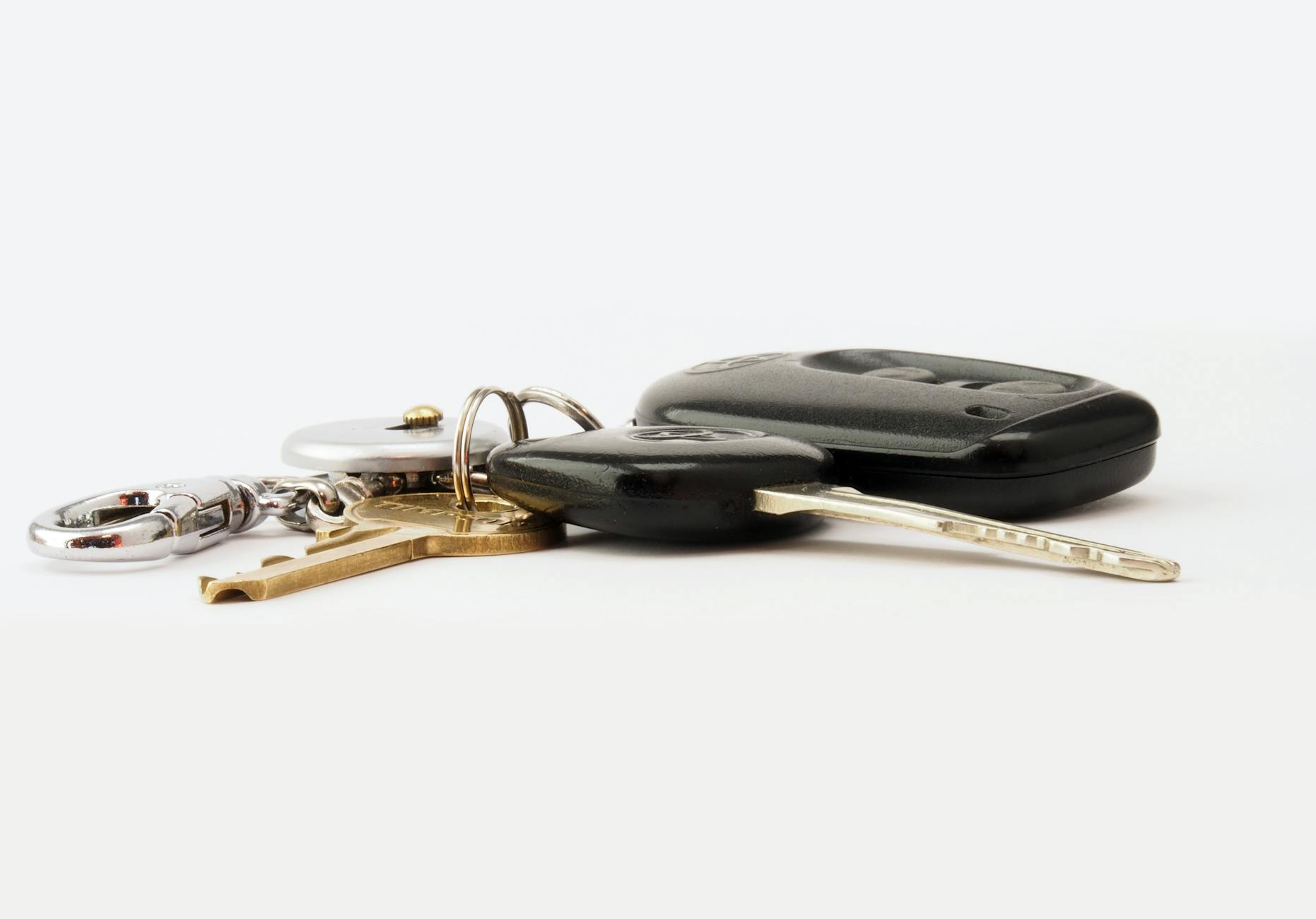
Every great promotional product needs two things: daily usefulness and consistent brand exposure. Car keyrings deliver both in spades. Whether attached to a set of house keys, a work vehicle fleet, or a beloved family car, a branded keyring is one of those rare promotional items that stays with a recipient for months — sometimes years — delivering repeated impressions every single time they reach into their pocket or bag. For Australian businesses, schools, and organisations looking for a cost-effective, universally relevant giveaway, car keyrings are hard to beat.
This guide covers everything you need to know before placing an order: materials, decoration methods, minimum quantities, budget expectations, and the smartest ways to deploy them across different sectors and events.
Why Car Keyrings Remain a Promotional Staple in 2026
In a crowded promotional products landscape full of bamboo drinkware, wireless chargers, and tote bags, it might surprise some marketing managers to learn that keyrings — particularly car keyrings — continue to rank among the most recalled and retained branded items in circulation. The reason is simple: nearly every Australian adult owns at least one set of keys, and the vast majority drive or travel in a vehicle regularly.
A branded car keyring offers something that many higher-ticket items struggle to match: guaranteed daily touchpoints. Think about it. A Sydney tradie picks up their keys every morning before a job. A Melbourne real estate agent grabs their fleet key before every client inspection. A Brisbane school parent clips their car keyring to their bag after school pickup. These aren’t occasional interactions — they’re daily rituals, and your brand logo is right there for every single one.
Beyond frequency of use, car keyrings also benefit from what you might call “secondary visibility.” When a recipient uses their keyring in the presence of others — at a café counter, a petrol station, a workplace — your branding gets seen by people beyond the original recipient. That kind of passive, organic reach is genuinely valuable, and understanding the full picture of how promotional products generate ROI for marketing campaigns can help you appreciate just how well keyrings perform relative to their cost.
Types of Car Keyrings Available for Branding
One of the most appealing aspects of branded car keyrings is the sheer variety of styles and materials available. Choosing the right type for your organisation, event, or campaign matters enormously — both for perceived quality and for decoration method compatibility.
Metal Keyrings
Metal car keyrings are the premium choice. Options include zinc alloy, stainless steel, and aluminium, each offering a different weight and finish. Laser engraving is the go-to decoration method for metal keyrings, producing clean, precise logos that won’t fade or scratch off over time. For organisations wanting a polished, professional look — think law firms, automotive dealerships, financial services companies, or real estate agencies — a laser-engraved metal keyring communicates quality and longevity.
Die-cast metal keyrings can also be produced in custom shapes, making them ideal for unique branding campaigns. A car-shaped keyring for a dealership, a house-shaped keyring for a property developer, or a logo-shaped keyring for a consumer brand — the possibilities are extensive, though custom die-cast options typically carry higher tooling fees and longer lead times.
PVC and Rubber Keyrings
Soft PVC keyrings are incredibly versatile and popular for vibrant, full-colour branding. Because PVC can be moulded into virtually any shape and filled with multiple colours, they’re a favourite for schools, sporting clubs, and consumer-facing brands that want something eye-catching and fun. A Gold Coast surf school, for example, might order soft PVC keyrings shaped like surfboards or waves, with their logo rendered in bold brand colours.
PVC keyrings are generally more affordable than metal alternatives, with lower minimum order quantities (MOQs) common from around 100 units. Turnaround times are typically three to four weeks once artwork is approved, though rush options may be available at a premium.
Acrylic and Plastic Keyrings
Clear or coloured acrylic keyrings offer a sleek, modern aesthetic and work particularly well with digital printing or UV printing for full-colour artwork. They’re lightweight, cost-effective, and suit organisations with detailed logos or multi-colour artwork that would be difficult to replicate accurately through engraving alone.
Leather and Faux Leather Keyrings
For premium gifting contexts — executive welcome packs, milestone awards, or high-end trade event giveaways — leather or faux leather keyrings add a touch of sophistication. Debossing or foil stamping are popular decoration choices for these styles. Understanding which decoration method suits each material is essential; our print method comparison chart for promotional products is a handy reference if you’re weighing up your options.
Decoration Methods: Getting the Branding Right
Choosing the right decoration method for your car keyrings is just as important as choosing the right style. Here’s a quick breakdown of common approaches:
- Laser engraving — Ideal for metal keyrings. Permanent, precise, and premium in appearance. Works in a single colour (the base metal) but delivers exceptional durability.
- Pad printing — The most common method for plastic and rubber keyrings. Cost-effective for one to four colour logos and suitable for flat surfaces.
- Screen printing — Works well on flat, rigid keyrings where multiple solid colours are needed.
- Epoxy dome printing — Produces full-colour, high-resolution prints protected under a clear resin dome. Great for detailed logos on metal or plastic keyrings.
- Die-cast moulding with enamel fill — For custom-shaped metal keyrings with coloured sections. Higher setup cost but outstanding quality.
- Debossing — Popular for leather keyrings. Creates an elegant, tactile impression of your logo.
If you’re also running a broader promotional campaign incorporating printed items, it’s worth exploring how different decoration techniques compare across products — our guide to heat transfer on custom pens in Australia provides useful context on how the same print principles apply across different product types.
Ordering Car Keyrings: Practical Considerations
Minimum Order Quantities
MOQs for car keyrings vary significantly depending on the type and customisation level. Standard off-the-shelf shapes with pad printing often start from as few as 50 to 100 units. Custom die-cast or fully shaped PVC keyrings typically require 250 to 500 units minimum due to the tooling involved. If you’re a smaller organisation — a local Hobart community group or a single-branch Darwin retail store — stock-shape options with your branding applied are a practical and budget-conscious path.
Turnaround Times
Standard production for most branded car keyrings runs between two and four weeks from artwork approval. Custom-shaped keyrings requiring new moulds can take six to eight weeks, so factor this into your event or campaign planning. If you’re ordering for a specific event — say a Perth trade expo or an Adelaide motor show appearance — always build in buffer time for shipping and any potential artwork revisions.
Artwork and File Requirements
For best results, supply your artwork as a vector file (AI, EPS, or high-resolution PDF). For laser engraving and pad printing, a clean single-colour version of your logo is essential. For epoxy dome or full-colour digital printing, a high-resolution RGB or CMYK file works well. Always request a digital proof before approving production — a step that’s easy to skip when you’re in a hurry but critical for getting the result you want.
Budget and Pricing
Budget ranges widely based on style and quantity. Basic plastic keyrings with pad printing might cost as little as $1.50–$3.00 per unit at 250 pieces. Premium metal keyrings with laser engraving typically sit in the $5.00–$12.00 range depending on weight and complexity. Custom PVC shaped keyrings generally fall somewhere in between. As with most promotional products, unit cost decreases meaningfully as quantity increases, so if your campaign can justify a larger run, the cost-per-impression becomes extremely attractive.
Who Should Be Using Branded Car Keyrings?
Car keyrings are genuinely cross-sector in their appeal, but certain organisations get exceptional value from them:
Automotive businesses — Dealerships, mechanics, tyre shops, and smash repairers have an obvious natural fit. A customer who receives a quality metal keyring from their mechanic will likely keep it on their car keys indefinitely, creating a constant brand reminder every time they start their vehicle.
Real estate agencies — Handing a branded keyring to a new homeowner at settlement is a thoughtful gesture that keeps your agency top-of-mind for future referrals. A Sydney or Melbourne property group with strong client gifting practices knows how far a small, quality gift can go.
Corporate businesses and professional services — Include car keyrings in welcome packs, trade show bags, or end-of-year gifts. For inspiration on complementary items, our roundup of the top 10 branded tote bags shows how keyrings can pair effectively with bags for event giveaway bundles.
Schools and education providers — Fundraising, school fairs, and community events are all strong use cases. A Canberra primary school selling branded keyrings at their annual fete, or a Brisbane secondary college including them in orientation packs, are both practical scenarios.
Sporting clubs and associations — Custom-shaped PVC keyrings in club colours are popular with members of all ages and make great merchandise items.
Events and conferences — Keyrings are a practical addition to conference satchels. Pair them with other high-impact items like promotional drinkware for brand awareness or branded spiral notebooks for a well-rounded delegate pack.
It’s also worth considering how keyrings fit into your broader promotional strategy. Understanding current promotional products ROI data can help you justify the spend to stakeholders and prioritise keyrings as a long-term brand-building tool rather than a one-off trinket.
Eco-Friendly and Sustainable Keyring Options
Sustainability is a growing consideration for Australian organisations placing promotional product orders in 2026. Fortunately, the keyring category has evolved alongside broader eco-trends. Recycled metal keyrings, bamboo keyrings, and keyrings made from reclaimed leather or cork are increasingly available from suppliers with responsible sourcing credentials.
For organisations that have already invested in sustainable merchandise — perhaps pairing their branded items with organic cotton custom t-shirts for sustainability events or sustainable branded lunch containers for school canteens — choosing an eco-conscious keyring option keeps your entire merchandise suite aligned with your environmental values.
Key Takeaways
Car keyrings are one of the most consistently effective promotional products available to Australian businesses, schools, and organisations. Before placing your next order, keep these points in mind:
- Choose the right material for your audience and budget — metal for premium appeal, PVC for fun and colour, acrylic for cost-effective full-colour printing, and leather for executive gifting.
- Match your decoration method to your material — laser engraving for metal, pad printing for plastic and rubber, debossing for leather. When in doubt, consult the print method comparison chart for promotional products to guide your decision.
- Plan your timeline carefully — standard styles need two to four weeks; custom-shaped keyrings require six to eight weeks from artwork approval.
- Consider the full campaign context — car keyrings work best as part of a coordinated promotional strategy. Bundle them with complementary products for conferences, events, or welcome packs to maximise impact.
- Explore sustainable options — eco-friendly keyring materials are now widely available and help align your branded merchandise with corporate sustainability goals.
When selected thoughtfully and decorated to a high standard, car keyrings punch well above their weight as a promotional tool. They’re small, affordable, universally practical, and quietly persistent in keeping your brand front and centre every single day.