
The Complete Guide to Company Merchandise That Actually Works for Your Brand
Discover how to choose, order, and budget for company merchandise that boosts brand awareness and engages your audience across Australia.

Written by
Vincent Chua
Corporate Gifts
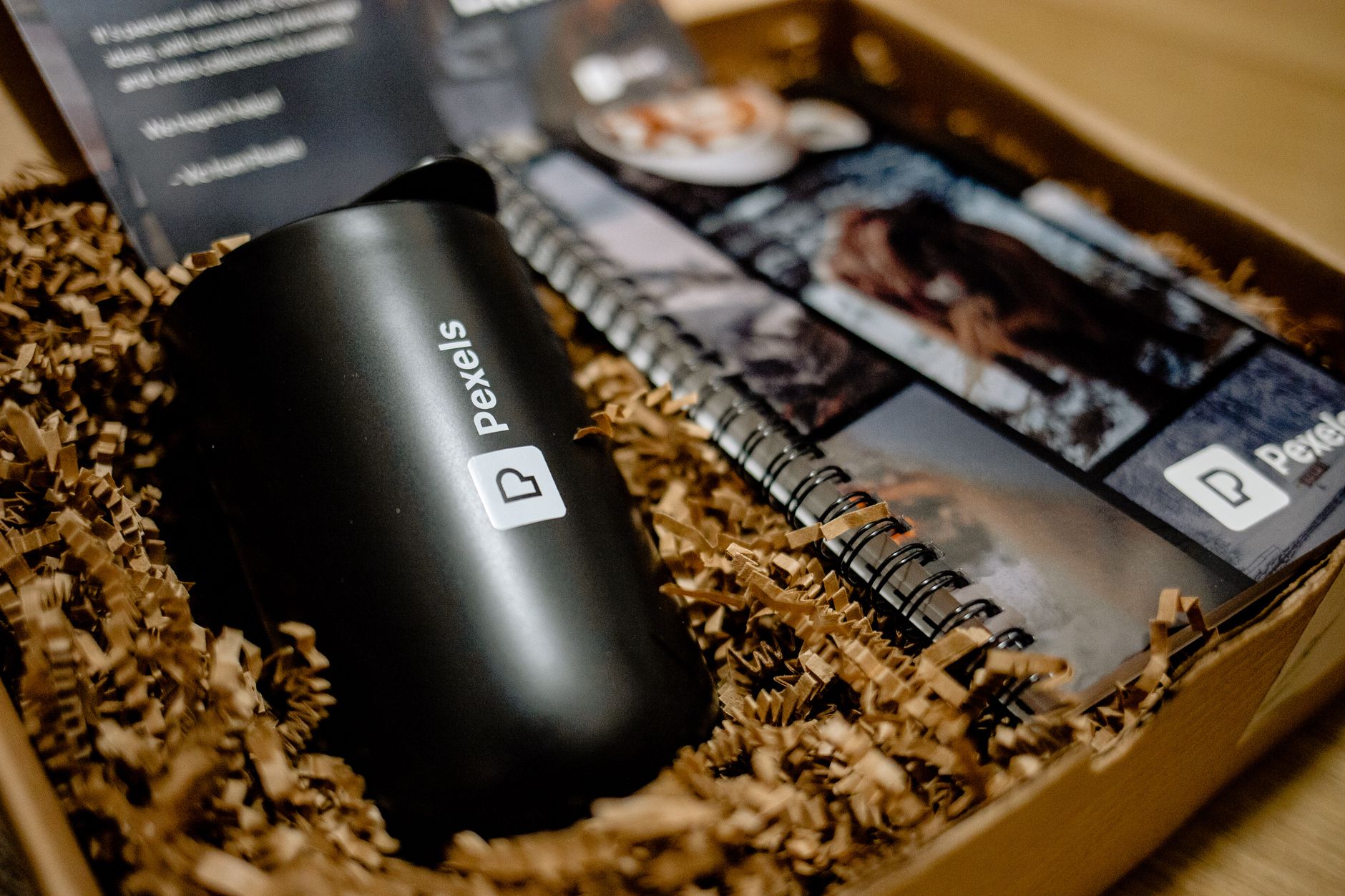
Every Australian business, school, and organisation eventually reaches the same moment: you need branded items that people will actually use, keep, and remember. Whether you’re gearing up for a trade show in Melbourne, rewarding staff at a Sydney corporate event, or kitting out a Brisbane school’s sports carnival, the right company merchandise can do remarkable things for your brand. It builds recognition, fosters loyalty, and gives your logo a life beyond your website or social media feed. But choosing the wrong products — or ordering them poorly — can mean wasted budget and a box of forgotten items gathering dust in a storeroom. This guide cuts through the noise so you can make smart, strategic decisions every time.
What Is Company Merchandise and Why Does It Matter?
Company merchandise refers to any physical product customised with your brand’s logo, name, colours, or message. It spans an enormous range: from printed t-shirts and embroidered polo shirts, to branded water bottles, tote bags, pens, notebooks, tech accessories, and much more. The goal is always the same — to keep your brand visible in the everyday lives of your audience.
The power of branded merchandise lies in its tangibility. Unlike a digital ad that disappears the moment someone scrolls past, a quality branded product lives on your customer’s desk, in their gym bag, or on their morning commute. According to industry research on promotional products ROI data, recipients of quality branded merchandise are significantly more likely to recall the brand and develop positive associations with it. That’s a compelling return on investment by any measure.
For Australian businesses specifically, company merchandise also plays a cultural role. Australians tend to be pragmatic — they value items that are genuinely useful, not cheap gimmicks. Getting this right means understanding your audience, your budget, and the decoration methods that will make your branding look sharp and professional.
Choosing the Right Products for Your Brand
Not every product suits every brand. The key is relevance — to your industry, your audience, and the occasion. Here’s how to think through it.
Consider Your Audience First
A Perth mining company sourcing hi-vis workwear for their team has entirely different needs from a Canberra not-for-profit distributing tote bags at a community event. Similarly, a primary school in Adelaide ordering custom sports day shirts needs different products and decoration methods than a financial services firm in Sydney building a client gift hamper.
Start by asking: Who will receive this merchandise? Where will they use it? What problems does it solve for them daily? When your product answers a genuine need, it gets used — and when it gets used, your brand gets seen.
Match Products to Your Industry and Purpose
Some categories of company merchandise consistently perform across almost every sector:
- Drinkware: Branded water bottles and keep cups are perennial favourites. They’re used daily, travel everywhere, and offer large branding areas. Our guides on insulated water bottles and promotional drinkware brand awareness explain why these items deliver such strong brand recall.
- Tote bags: Sustainable, practical, and highly visible in public. Check out our roundup of the top 10 branded tote bags for inspiration across a range of budgets.
- Stationery: Notebooks and pens remain staples for corporate and education settings alike. Our guide on promotional spiral notebooks covers what to look for when ordering for conferences or school programmes.
- Apparel: From branded polos for corporate teams to custom hoodies for school events, apparel turns every staff member or student into a walking billboard.
- Tech accessories: For conferences and trade shows, tech items like promotional VR headsets for tech conference giveaways and cable organisers can make a memorable impression. For a practical everyday option, see our guide on promotional cable organisers in Adelaide.
Don’t Overlook Niche and Seasonal Products
Sometimes the most memorable company merchandise is unexpected. Branded picnic sets are a great conversation starter at family-oriented events — our guide on public holiday branded picnic sets for family events walks you through the options. If you’re in the health sector, consider how products like sustainable branded cotton face masks for health businesses can align with your brand values. Even something as specific as promotional honey for Christmas gifts in Australia can make a warm, premium impression that generic gift cards simply can’t match.
Understanding Decoration Methods
One of the most critical — and most overlooked — aspects of ordering company merchandise is choosing the right decoration method for your product and artwork. The wrong method can make even a premium product look amateurish.
Here’s a quick overview of the most common methods used in Australia:
- Screen printing: Best for flat surfaces like t-shirts, tote bags, and notebooks with bold, simple designs. Cost-effective at higher volumes.
- Embroidery: Adds a premium, professional feel to polo shirts, caps, and hoodies. Ideal for logos with defined shapes rather than intricate gradients.
- Laser engraving: Perfect for metal and timber products like drink bottles, pens, and awards. Durable and elegant.
- Pad printing: The go-to for smaller promotional items like pens, USB drives, and keyrings.
- Sublimation and direct-to-garment (DTG) printing: Ideal for full-colour, all-over prints on apparel. Our guide on quality direct-to-garment printing for promotional products explains when DTG is the right choice.
For a full breakdown of which method suits which product, see our print method comparison chart for promotional products. It’s an essential reference before you place any significant order.
Budgeting for Company Merchandise: What to Expect
Budget is often the biggest variable in merchandise planning. The good news is that quality branded merchandise is available across a wide range of price points. The key is understanding what drives cost.
Key Cost Factors
- Quantity: Most suppliers operate on tiered pricing — the more you order, the lower your unit cost. Many products have a minimum order quantity (MOQ) of 25–50 units, though some custom apparel items may start at 12 or even 6 pieces.
- Decoration complexity: A one-colour screen print is far cheaper than a six-colour embroidered design. Setup fees also apply per colour or stitch count, which can significantly affect small orders.
- Product quality: Premium items like stainless steel insulated bottles or structured backpacks cost more upfront but leave a more lasting impression — and tend to stick around longer.
- Turnaround time: Express or rush orders almost always attract a surcharge. For events with a fixed date, plan your merchandise order at least 3–4 weeks in advance, and allow 6–8 weeks for custom or imported products.
Stretching Your Merchandise Budget
If you’re working with limited funds, consider consolidating your spend into fewer, higher-quality items rather than spreading thin across a wide range of cheap giveaways. A single excellent product — like a well-branded keep cup or a quality tote bag — will outlast and outperform a bag of novelty items every time.
For organisations with a strong sustainability focus, choosing eco-friendly merchandise can be doubly effective. Items like sustainable branded lunch containers for school canteens serve a practical purpose while reinforcing your values to every recipient.
Company Merchandise for Specific Occasions and Causes
One of the most effective approaches to company merchandise is aligning your products with a specific moment, cause, or event. This creates context and purpose that generic branded items often lack.
- Corporate events and conferences: Think branded notebooks, lanyards, keep cups, and toiletry bags. Our guide on toiletry bags for travel is particularly useful for conference delegates or corporate retreats.
- Sporting events and school carnivals: Custom t-shirts, hooded towels, and water bottles work brilliantly here. Take a look at our guide on hooded towels for swim club and sports day inspiration.
- Cause-driven campaigns: Company merchandise can also communicate values. If your organisation is participating in events like Wear It Purple Day, our guide on Wear It Purple Day branded items for LGBTQ inclusion shows how merchandise can support meaningful advocacy.
- Healthcare and veterinary practices: Even niche sectors benefit from custom merch. See how promotional branded flea and tick reminder magnets for vets keep a practice top-of-mind year-round.
Getting Your Artwork and Branding Right
Before you finalise any order, ensure your artwork is prepared correctly. Most decoration methods require vector files (AI or EPS format) for crisp, scalable logos. JPEG or PNG files are typically only suitable for DTG or sublimation printing.
If you’re ordering across multiple products, request PMS (Pantone Matching System) colour codes to ensure consistent brand colours across different items and suppliers. Inconsistent colours across your merchandise range can undermine the professionalism of even a well-planned campaign.
Always request a physical or digital proof before approving production — especially for embroidery, where the stitch digitisation process can sometimes alter the appearance of fine detail.
Conclusion: Key Takeaways for Smarter Company Merchandise Decisions
Getting company merchandise right is equal parts strategy, product knowledge, and planning. When done well, it’s one of the most cost-effective ways to build brand visibility, reward loyalty, and create genuine connections with your audience — whether you’re a Gold Coast startup, a Hobart charity, or a Darwin government department.
Here are the key takeaways to carry with you:
- Start with your audience: Choose products your recipients will actually use in their daily lives — relevance drives retention and brand recall.
- Match decoration to product: The right printing or embroidery method makes a huge difference to the final result; refer to our print method comparison chart before ordering.
- Plan for lead times: Allow at least 3–4 weeks minimum, and longer for fully custom or imported items, to avoid rush surcharges and production stress.
- Quality over quantity: Fewer, better products almost always outperform a larger volume of cheap items when it comes to brand impression and product longevity.
- Align merchandise with purpose: Tie your company merchandise to a specific event, cause, or campaign for maximum impact and memorability.
With the right approach, your branded merchandise won’t just carry your logo — it’ll carry your brand story into the hands of the people who matter most to your business.