
Custom T-Shirts for Swimming Clubs in Australia: The Complete Ordering Guide
Everything Australian swimming clubs need to know about ordering custom t-shirts — from decoration methods to MOQs, budgets, and design tips.

Written by
Dane Holloway
Custom Apparel
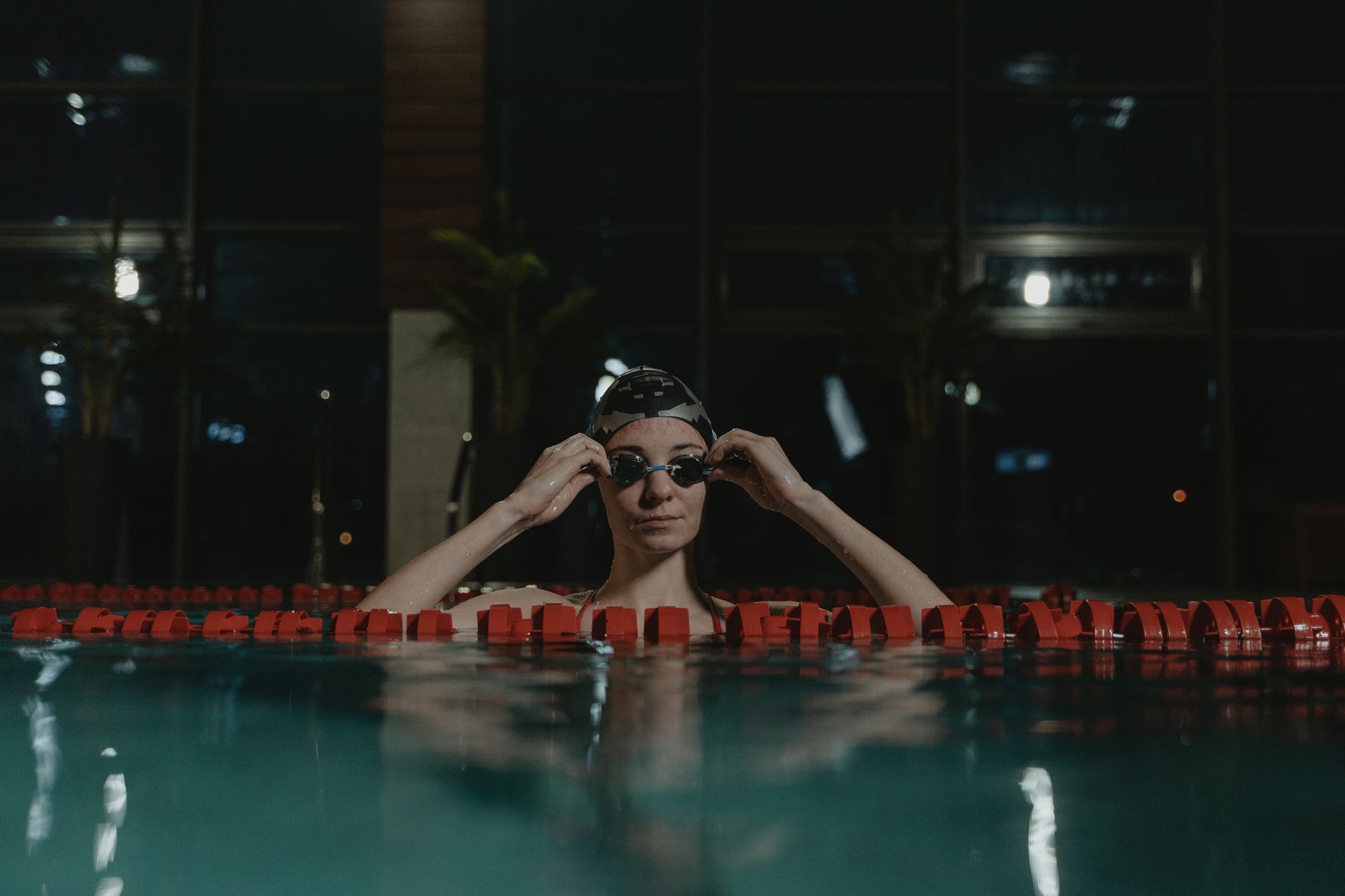
Ordering custom t-shirts for your swimming club sounds straightforward — until you’re deep in fabric choices, artwork files, and minimum order quantities with a competition season fast approaching. Whether you’re coordinating uniforms for a suburban Sydney swim club, sourcing volunteer shirts for a Queensland state carnival, or kitting out your club’s coaching staff across multiple Melbourne facilities, the process has more moving parts than most committee members anticipate. Done well, though, custom t-shirts do far more than keep your squad looking cohesive. They build club identity, foster belonging, and project professionalism at every carnival, gala, and community event your members attend.
This guide covers everything you need to know about ordering custom t-shirts for swimming clubs in Australia — from picking the right garment and decoration method through to managing artwork, timelines, and budgets for clubs of any size.
Why Custom T-Shirts Matter for Australian Swimming Clubs
Swimming is one of Australia’s most participated sports, with hundreds of clubs operating across every state and territory — from large metropolitan clubs in Brisbane, Perth, and Adelaide through to regional clubs in towns like Tamworth, Ballarat, and Bunbury. With so many clubs competing for members, volunteers, and community presence, a strong visual identity helps your club stand out and communicate its values.
Custom t-shirts serve multiple practical functions beyond basic branding. Consider how they’re typically used across a club’s annual calendar:
- Warm-up and training tees worn poolside at training sessions
- Team shirts for carnival days and interstate travel
- Volunteer and official shirts worn by marshals, timekeepers, and committee members
- Coaching and admin shirts for paid and unpaid staff
- Fundraising merchandise sold to club families and supporters
- Onboarding gifts for new members joining the club
Each use case may call for slightly different garment weights, styles, or decoration methods — which is why it pays to think carefully before placing a single large order.
Choosing the Right Garment for Swimwear-Adjacent Environments
Pools are humid, chlorine-heavy environments. The t-shirts your members wear around the pool deck need to hold up to repeated washing, resist colour fading, and remain comfortable even when slightly damp. Here’s what to look for.
Fabric Composition
100% cotton tees are popular for their breathability and soft feel, making them a sensible choice for casual club shirts, supporter tees, and fundraising merchandise. They’re also generally the most affordable option in bulk, with prices typically starting from around $8–$15 per shirt depending on quantity and decoration.
Poly-cotton blends (typically 65% polyester, 35% cotton) offer a good balance of durability and comfort, holding their shape and colour better through repeated washes than pure cotton. These work well for coaching and official shirts that get heavy use throughout the season.
Performance polyester and moisture-wicking fabrics are worth considering for warm-up tees or shirts worn during active use. However, note that sublimation printing (covered below) is the preferred decoration method for high-polyester garments, which affects your design and colour matching options.
Style Considerations
For most club applications, a classic crew neck or V-neck tee in a unisex or gender-specific cut works well. Consider ordering a variety of sizes including youth and children’s sizes if your club caters to junior swimmers — which the majority of Australian clubs do. Fitted women’s styles are also worth including when ordering for female athletes and volunteers who prefer a tailored cut.
Decoration Methods: Which Is Right for Your Club?
Choosing the right decoration method is one of the most important decisions in your entire ordering process. Each technique has strengths suited to different garment types, artwork styles, and budget levels.
Screen Printing
Screen printing remains the most popular decoration method for custom t-shirts for swimming clubs in Australia. It delivers bold, vibrant colours with excellent durability, and the per-unit cost drops significantly at higher quantities — making it ideal for large club orders of 50+ shirts. Typical MOQs for screen printing sit around 20–25 pieces per design, with setup fees per colour usually in the range of $30–$60.
Screen printing works best when your artwork uses a limited number of solid colours (2–4 colours is the sweet spot for cost efficiency). If your club logo features complex gradients or photographic elements, you may need to consider other options. For a deeper look at how this compares to other techniques, our guide to screen printing vs embroidery decoration methods breaks down the key differences clearly.
Embroidery
Embroidery adds a premium, professional feel that works particularly well on polo shirts and heavier-weight tees used for coaching or administrative staff. Logos are stitched directly into the fabric, which means excellent longevity — even through industrial laundering. The main limitation is that fine details and small text can be difficult to reproduce accurately in thread, so simpler logos translate better.
Direct-to-Garment (DTG) Printing
DTG printing is an excellent choice when your club needs full-colour, photographic, or highly detailed prints — or when ordering smaller quantities (sometimes as low as 1–10 pieces) without large setup costs. If you’re ordering personalised shirts for individual swimmers with their names and lane numbers, DTG makes this economically viable. Our quality guide to direct-to-garment printing for promotional products explains what to expect in terms of colour accuracy and wash durability.
Sublimation Printing
Sublimation is the go-to method for all-over print designs and performance garments. Because the dye bonds with polyester fibres at a molecular level, sublimated prints won’t crack, peel, or fade. If your club wants vibrant, edge-to-edge designs on moisture-wicking shirts, sublimation is worth the investment — though it does typically require higher MOQs and a longer lead time.
Designing Your Club T-Shirts: Practical Artwork Tips
Your artwork file quality will directly affect the final print result. Here are the key points to get right before you submit your order:
- Use vector files where possible — formats like .AI, .EPS, or high-resolution PDF are preferred by most decorators
- Confirm PMS colour matching if brand consistency across merchandise is important to your club
- Include both a front and back design brief — most club tees feature the club logo front-centre with a name, year, or design element on the back
- Check font licensing if your designer has used custom typefaces in your artwork
- Request a digital proof before approving production — reputable suppliers will provide this as standard
If your club is ordering for organic cotton custom t-shirts for sustainability events or running eco-conscious campaigns, ensure your printer uses water-based inks compatible with natural fibres.
Budgeting for Your Club T-Shirt Order
Budget is a common sticking point for volunteer-run clubs. Here’s a realistic framework for planning your spend.
A screen-printed cotton tee in a club colour, ordered in quantities of 50, typically lands between $12–$22 per unit all-in (including garment, one-to-two colour print, and setup fees). At 100 units, expect prices to drop meaningfully — often 20–35% lower per unit. Understanding the relationship between quantity and cost is central to getting value, and if you want to dig deeper into this, our piece on how to calculate promotional product ROI for marketing campaigns offers a useful framework applicable to club merchandise too.
Additional cost considerations include:
- Sample ordering — most suppliers charge for pre-production samples, typically $30–$80, but this is worthwhile for large orders
- Freight costs — clubs in Darwin, Hobart, and remote areas should factor in higher delivery costs
- Reprints for artwork revisions — changes after the proof stage often incur additional fees
If you’re selling shirts as a fundraiser, build in a suitable margin above cost price and consider whether GST applies to your club’s sales.
Turnaround Times: Planning Around Your Competition Calendar
This is where swimming clubs frequently get caught out. Standard turnaround for screen-printed custom t-shirts is typically 10–15 business days from artwork approval, though many suppliers offer rush services (at a premium) that can reduce this to 5–7 business days.
For major events — state carnivals, end-of-season presentations, or club anniversary celebrations — allow at least 4–6 weeks from initiating contact with your supplier to receiving finished goods. This accounts for the back-and-forth on artwork approval, production, and shipping.
Clubs ordering for multiple events throughout the year, such as a Sydney metropolitan club running training sessions, carnivals, and a presentation night, may find it more efficient to consolidate orders once or twice a season rather than placing multiple small orders.
Complementary Branded Products for Your Club
T-shirts rarely exist in isolation. Many Australian swimming clubs bundle their custom apparel with other branded items to create a cohesive club experience. A well-hydrated squad is a happy one — insulated branded water bottles are consistently popular additions to club merchandise ranges, keeping drinks cold on hot pool decks.
For club presentation nights and volunteer recognition, consider pairing custom shirts with personalised service awards for 5, 10, and 15-year milestones to celebrate long-serving members. Clubs running events or fundraiser stalls might also look at branded tote bags as a practical giveaway item for supporters and families.
If your club is managing volunteer teams across large events, custom name tags with lanyards help officials and marshals stay identifiable in busy carnival environments. For clubs exploring broader merchandise ranges, it’s worth browsing promotional drinkware market trends to understand what items are resonating with sports and community organisations right now.
Clubs in South Australia specifically may find additional local sourcing options and state-specific tips in our dedicated article on custom t-shirts in South Australia.
Sourcing the Right Supplier
Not every promotional products supplier is equally equipped to handle swimming club orders. When evaluating potential partners, look for:
- Experience with sports clubs and community organisations
- Clear artwork requirements and a digital proof process
- Transparent pricing that includes setup fees and freight
- Flexible MOQs that suit your club size
- Positive reviews from similar organisations
Don’t be afraid to ask for samples of previous work, particularly printed garments, before committing to a large order. And always clarify the supplier’s policy on reprints if garments arrive with defects — reputable suppliers will rectify production errors at no cost.
Key Takeaways
Getting custom t-shirts right for your swimming club comes down to careful planning, sound product selection, and working with a supplier who understands the needs of community sports organisations. Here’s a summary of what to keep front of mind:
- Choose your garment fabric based on how the shirts will be used — cotton for casual and supporter shirts, poly-cotton blends for staff, performance polyester for active wear
- Match your decoration method to your artwork and quantity — screen printing for bold designs in bulk, DTG for detailed or small runs, sublimation for all-over performance prints
- Plan your timeline carefully — allow 4–6 weeks minimum for large orders and always factor in your competition calendar
- Get a digital proof before approving production — this single step prevents the majority of costly errors
- Bundle your apparel with complementary branded products to create a more cohesive club identity and maximise your ordering efficiency
Custom t-shirts for swimming clubs in Australia don’t need to be complicated — but they do reward careful planning. With the right approach, your club will hit the pool deck looking sharp, unified, and ready to represent.