
Branded Food Delivery Bags: The Complete Guide for Australian Businesses
Discover how branded food delivery bags can boost your business visibility, keep food hot, and impress customers across Australia.

Written by
Kofi Adjei
Bags & Totes
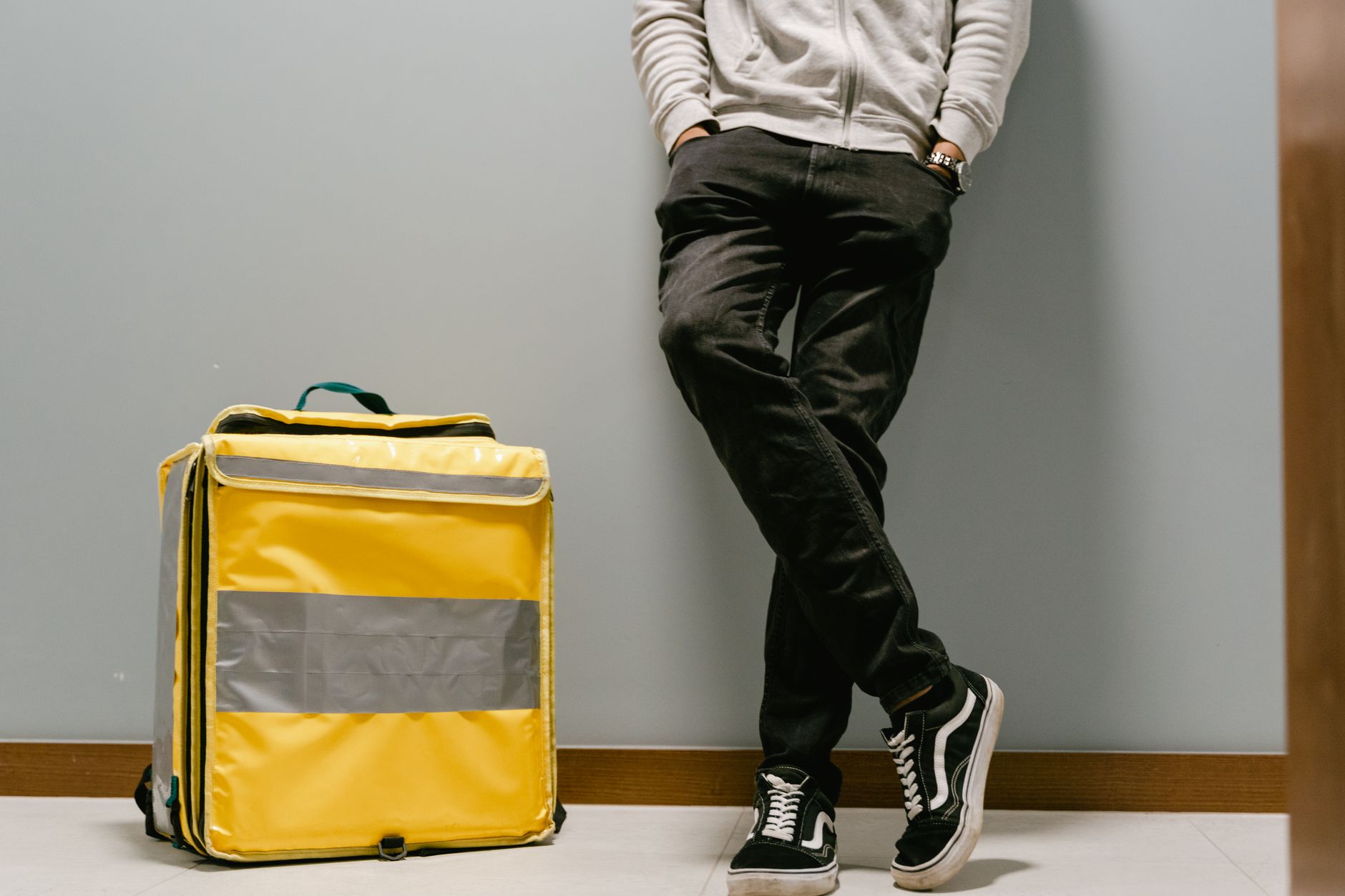
If you’ve ever ordered a meal and noticed the sleek, logo-emblazoned bag your driver arrived with, you already understand the power of a branded food delivery bag. For restaurants, caterers, meal kit services, and corporate food businesses across Australia, the humble delivery bag has evolved from a functional necessity into a serious branding opportunity. Whether you’re running a café in Melbourne’s inner suburbs, managing a meal prep business on the Gold Coast, or organising a corporate lunch delivery service in Sydney, the right branded food delivery bag does two jobs at once — it keeps food at the perfect temperature and puts your brand in front of potential customers every single time it hits the street.
Why Branded Food Delivery Bags Matter More Than You Think
It’s easy to overlook the delivery bag as just a piece of equipment. But consider this: every time a rider or driver carries your branded bag through a busy Brisbane CBD or a suburban Perth neighbourhood, they’re essentially carrying a moving billboard for your business. Unlike a social media post that disappears in a scroll, a well-designed delivery bag generates genuine, repeated impressions in the real world.
For food businesses, brand consistency matters enormously. Customers associate professional presentation with food quality and trustworthiness. Arriving with a generic, unbranded bag signals that you haven’t thought about the full customer experience. Arriving with a sharp, logo-printed insulated bag? That tells a completely different story.
Beyond aesthetics, there are very practical reasons to invest in quality branded food delivery bags:
- Temperature retention: A well-insulated bag keeps hot food hot and cold food cold — critical for customer satisfaction and food safety compliance
- Durability: Branded bags made from quality materials withstand daily wear and tear, lasting far longer than disposable packaging
- Brand visibility: Every delivery is an opportunity to get your name, logo, and colours in front of new eyes
- Staff professionalism: Uniformed equipment creates a cohesive, professional image for your team
Types of Food Delivery Bags Worth Considering
Not all food delivery bags are created equal, and the right choice depends heavily on your use case, order volume, and the types of food you’re delivering.
Insulated Thermal Delivery Bags
These are the workhorses of the food delivery world. Insulated thermal bags feature a foil or foam lining that maintains food temperature for extended periods — typically 45 minutes to two hours depending on the quality of construction. They’re ideal for hot food delivery, including pizza, curries, grilled dishes, and soups.
For branded applications, insulated thermal bags are typically decorated using screen printing or heat transfer methods, which hold up well against the rigours of daily use. Keep in mind that the outer material — usually heavy-duty nylon, polyester, or Oxford fabric — affects both durability and how cleanly your artwork will reproduce. If you’re after crisp, vibrant logo placement, a smooth polyester outer shell tends to work best.
Cooler Bags and Cold-Chain Delivery Bags
For businesses delivering perishable goods — think meal kits, dairy products, fresh produce, or cold beverages — a proper cooler bag is essential. These share similar construction to thermal bags but are optimised for cold retention, often featuring thicker insulation layers.
Our guide to wine cooler bags covers a related product category that’s well worth reading if you’re also exploring cold-beverage delivery options. The branding principles and decoration methods are very similar.
Backpack-Style Delivery Bags
Favoured by bike couriers and riders using scooters or motorcycles, backpack delivery bags leave both hands free and distribute weight evenly. They’ve become iconic in the gig economy and are particularly common across inner-city delivery zones in Sydney, Melbourne, and Brisbane. From a branding perspective, the large flat back panel offers an excellent canvas for bold logo placement.
Soft-Sided Catering Bags
If your business handles corporate catering, office lunch deliveries, or event hospitality, larger soft-sided catering bags with handles or wheels may suit you better than standard rider bags. These are also popular with school canteen services and community organisations delivering meal programs.
Speaking of school canteens, if you’re managing food-related programs in an educational setting, it’s worth exploring sustainable branded lunch containers for school canteens alongside your delivery bag strategy.
Branding Your Food Delivery Bag: Decoration Methods Explained
Getting your branding right on a food delivery bag requires understanding which decoration methods are compatible with the materials involved. Here’s a practical breakdown:
Screen Printing
Screen printing is one of the most cost-effective options for high-volume orders. It produces bold, vibrant results on flat surfaces and is well-suited to nylon and polyester outer fabrics. If you’re placing a bulk order — say, 50 or more bags for a delivery fleet in Adelaide or Canberra — screen printing typically offers the best cost-per-unit outcome.
Heat Transfer Printing
Heat transfer allows for more complex, multi-colour designs and photographic-quality imagery. It’s a strong choice when you need highly detailed logos or when your design includes gradients and fine detail that screen printing might struggle with.
Embroidery
Embroidery adds a premium, tactile feel to a branded bag. It works particularly well on thicker outer fabrics and is a great option if your brand wants to project quality and longevity. However, it’s generally better suited to simple logos rather than complex artwork with fine lines.
Pad Printing and Laser Engraving
These methods are more commonly used on hard-surface accessories (like branded drinkware), but they can occasionally apply to bag hardware such as buckles, zips, or name tag holders. For most food delivery bag applications, you’ll primarily be working with printing or embroidery.
For a broader look at how print methods compare across product categories, our quality guide to direct-to-garment printing for promotional products offers useful context on how artwork reproduction quality varies by technique and substrate.
Minimum Order Quantities, Turnaround Times, and Budget Planning
If you’re new to ordering branded merchandise, a few practical considerations will save you a lot of headaches.
Minimum Order Quantities (MOQs): For branded food delivery bags, MOQs typically sit between 25 and 100 units depending on the supplier and the complexity of your decoration. Backpack-style bags with multiple colour prints tend to have higher MOQs than simpler single-colour thermal bags.
Turnaround Times: Standard production for branded delivery bags generally runs 10–15 business days after artwork approval. If you need bags urgently — say, for a product launch or a new delivery service rollout — ask your supplier about rush production options early. Don’t assume speed is always available, particularly during peak periods like Christmas or end-of-financial-year.
Budget Considerations: Quality branded food delivery bags typically range from around $15 to $60 per unit depending on size, insulation quality, and decoration complexity. Bulk orders unlock better pricing tiers, so ordering slightly more than you immediately need can be cost-effective. Factor in a one-off setup fee for artwork preparation, which is standard across most decoration methods.
It’s also worth thinking about your wider brand merchandise ecosystem. If you’re developing a full suite of staff and customer-facing branded items, products like work polo shirts and insulated water bottles can complement your delivery bags and create a cohesive brand presence across every touchpoint.
Practical Tips for Ordering Branded Food Delivery Bags
Getting the most out of your investment comes down to planning and detail. Here are some tips from experienced promotional products buyers across the Australian food service industry:
1. Request a physical sample before bulk ordering. Assess the insulation quality, zipper durability, and how your artwork looks in real life. Photos and digital mockups don’t always tell the full story.
2. Provide vector artwork files. Supplying your logo as an AI or EPS vector file ensures your branding reproduces crisply at any size. Low-resolution PNG files are a common cause of disappointing results.
3. Consider PMS colour matching. If brand colour consistency is important to you, request Pantone Matching System (PMS) colour matching for your print. This ensures the red on your bag matches the red on your menu, website, and signage exactly.
4. Think about care and maintenance. Delivery bags take a beating. Look for bags with wipeable linings and sturdy outer materials, and make sure your team knows how to clean them properly. Food safety regulations in some states require regular cleaning of delivery equipment.
5. Align your bag with your full brand kit. Your food delivery bag should feel like a natural extension of your overall brand identity. If you’re also sourcing branded packaging, uniforms, or customer gifts, coordinate the colour palette and logo placement across all items. Seasonal gifts are another great touchpoint — our roundup of Christmas gift ideas for employees includes some practical ideas if you’re thinking about team appreciation alongside your brand rollout.
For businesses that deliver beverages alongside food, pairing your delivery bag strategy with branded drinkware can amplify your marketing impact. Explore our totally promotional drinkware guide or take a look at options like reusable branded coffee cups for a complete, on-brand delivery experience.
If your business offers meal prep or lunch delivery to corporate clients, you might also find our guide to stylish lunch bags for work in Australia useful — the product categories overlap, and many of the branding principles apply equally.
Conclusion: Key Takeaways for Your Branded Food Delivery Bag Investment
A branded food delivery bag is far more than a carrying vessel — it’s a mobile marketing asset, a food safety tool, and a statement of professionalism all rolled into one. Whether you’re launching a new delivery service in Darwin, scaling up a Brisbane meal kit business, or equipping a corporate catering team in Hobart, getting your delivery bag branding right pays dividends in customer perception and brand recall.
Here are the key points to take away:
- Choose the right bag type for your food category — thermal bags for hot food, cooler bags for cold, backpack styles for bike and scooter couriers
- Match your decoration method to your material — screen printing suits high-volume orders on polyester; embroidery works well for premium fabric constructions
- Plan your MOQs, turnaround times, and budget early — rushed orders and low-resolution artwork are the most common causes of disappointment
- Request a physical sample before committing to bulk production — seeing and feeling the product in person is essential for quality assurance
- Coordinate your food delivery bag with your broader brand ecosystem — uniforms, drinkware, packaging, and seasonal gifting should all reinforce the same visual identity
Invest in quality, plan carefully, and your branded food delivery bag will work hard for your business long after the meal has been eaten.