
The Complete Guide to Merchandise for Australian Businesses, Schools and Events
Discover how to plan, order and manage branded merchandise for your Australian business, school or event. Expert tips on products, budgets and more.

Written by
Vincent Chua
Corporate Gifts
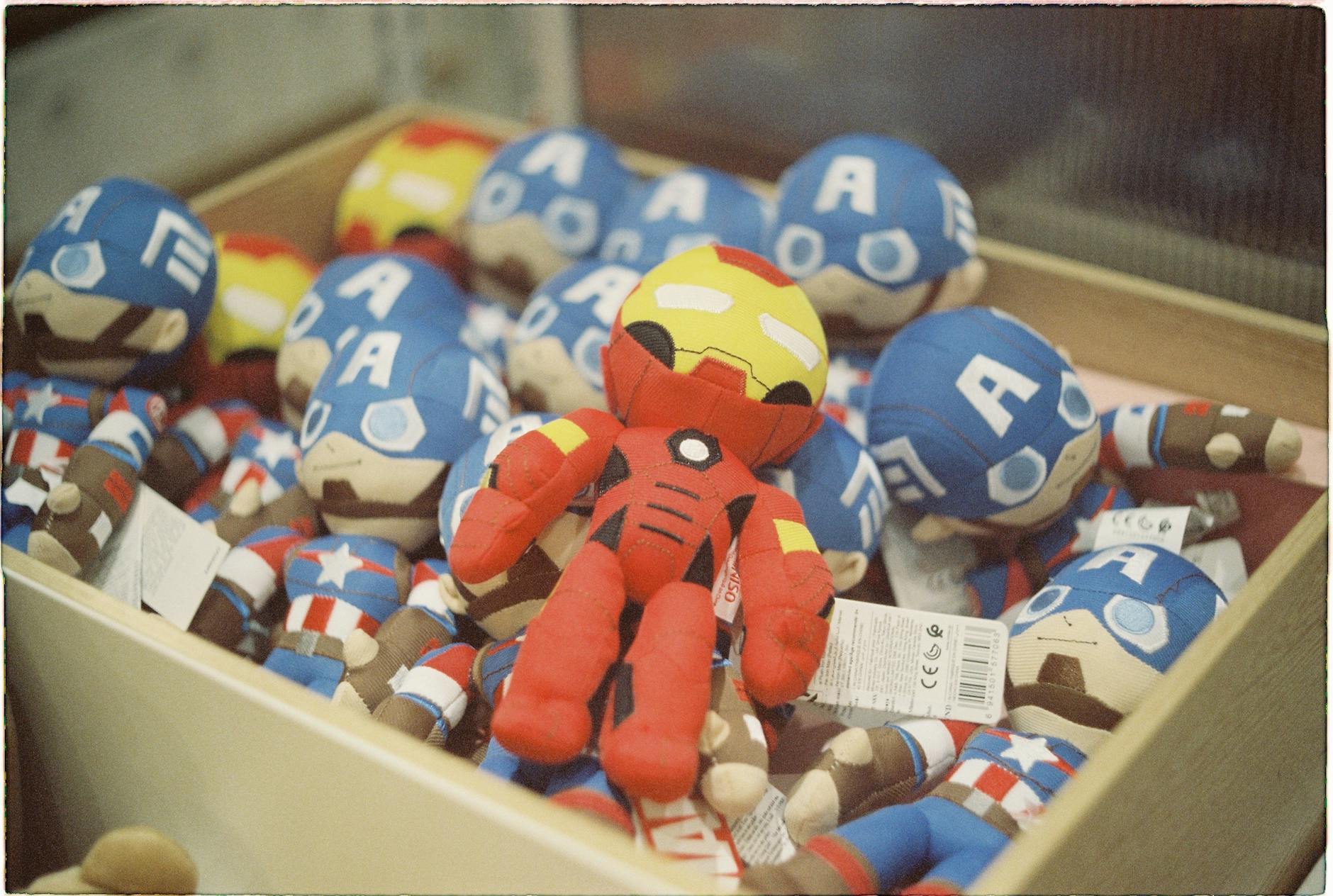
Branded merchandise is one of the most powerful yet underutilised tools in an organisation’s marketing and engagement toolkit. Whether you’re a Sydney-based corporate team looking to reward your staff, a Brisbane primary school gearing up for a fundraiser, or a Melbourne event organiser pulling together a memorable conference experience, the right merchandise can leave a lasting impression long after the moment has passed. But with thousands of product options, decoration methods, and suppliers to navigate, knowing where to start can feel overwhelming. This guide breaks it all down so you can order with confidence, manage your budget smartly, and choose products your audience will genuinely love.
What Is Branded Merchandise and Why Does It Matter?
At its core, branded merchandise refers to any physical product customised with your organisation’s logo, name, slogan, or artwork. It spans everything from screen-printed t-shirts and embroidered caps to engraved drinkware, printed tote bags, and personalised notebooks.
The reason organisations across Australia invest in merchandise is simple: it works. Physical branded items create tangible touchpoints with your audience that digital marketing simply cannot replicate. A keep cup with your logo on it gets used daily. A quality hoodie gets worn on weekends. A branded notebook sits on someone’s desk for months. Each use is essentially a free brand impression.
Beyond brand visibility, merchandise serves a range of purposes:
- Staff recognition and retention — gifting employees quality branded items builds loyalty and pride
- Event marketing — conference bags and giveaways help attendees remember your brand
- Fundraising — schools and charities use merchandise sales to generate revenue
- Customer acquisition — trade show giveaways attract prospects and drive booth traffic
- Community building — sporting clubs and schools use uniforms and merch to foster team identity
Understanding your specific purpose before you order anything is the first step to making smart merchandise decisions.
Choosing the Right Merchandise for Your Audience
One of the most common mistakes organisations make is choosing products based on what they personally like rather than what their audience will actually use. The most effective merchandise is always audience-first.
Corporate Businesses and Events
For corporate teams and professional events in cities like Adelaide, Perth, and Canberra, the priority is usually quality and presentation. Think branded drinkware (stainless steel water bottles, bamboo keep cups), premium notebooks, USB drives, and polished conference bags. These items carry an implicit message about your brand’s standards — so cutting corners on quality reflects poorly.
If you’re planning a corporate Christmas gifting campaign or end-of-year staff rewards, our guide to premium corporate gifts for Australian businesses is a great starting point for product ideas that strike the right balance between useful and impressive.
Schools and Educational Institutions
Primary schools, secondary colleges, and universities across Australia use merchandise for everything from sports carnivals and graduation events to school fundraisers and orientation days. For a school audience, durability and fun factor matter more than premium finish.
Popular options include custom t-shirts and polo shirts, caps, drink bottles, tote bags, and stationery packs. A Gold Coast primary school running a sports day, for example, might order colourful sublimated t-shirts in house colours — simple, bold, and easy to organise. If you’re planning a school merchandise project, it’s worth reading our beginner’s guide to school fundraising with custom merchandise to understand how to turn branded products into revenue.
Sporting Clubs and Community Organisations
Sporting clubs and not-for-profits across regional and metro Australia use merchandise to build community identity and generate supplementary income. For these groups, budget is often tight, so understanding how to maximise value at lower price points is essential.
Custom caps, sublimated jerseys, and branded water bottles are perennial favourites. If your club or organisation is looking at printed apparel specifically, our overview of sublimation printing for sports clubs covers everything you need to know about this popular decoration method.
Understanding Decoration Methods
The way your logo or design gets applied to a product matters enormously — it affects the finished look, durability, price, and even which products are suitable. Here’s a quick overview of the most common methods used in Australia:
Screen Printing
Screen printing is ideal for large runs of t-shirts, tote bags, and flat items. It’s cost-effective at volume (usually 50+ units), delivers bold, vibrant colours, and is extremely durable. Setup fees apply per colour, so simpler designs in fewer colours keep costs down. For a deep dive into how this method compares to others, see our comparison of screen printing vs embroidery for branded apparel.
Embroidery
Embroidery is the premium choice for polo shirts, caps, jackets, and corporate workwear. It gives a professional, textured finish that holds up exceptionally well through repeated washing. It works best for smaller, simpler designs — detailed artwork with fine lines can lose clarity when stitched.
Laser Engraving
For hard goods like metal drink bottles, pens, keyrings, and awards, laser engraving creates a sophisticated, permanent mark. It’s particularly popular for corporate gifts and recognition items. You can read more in our guide to laser engraving for branded products.
Pad Printing and Digital Printing
Pad printing suits small, curved surfaces like pens and promotional items, while digital printing allows for full-colour, complex designs on a wider range of substrates. Both are common in the promotional products industry and offer flexibility for detailed artwork.
Budgeting for Merchandise: What to Expect
Budgeting for merchandise is one area where many organisations get caught off-guard. The unit cost of a product is rarely the full picture. Here’s what to factor in:
Setup fees — most decoration methods involve a one-time setup fee per colour or design element. These are typically $30–$80 per colour for screen printing, and $30–$60 for embroidery digitisation.
Minimum order quantities (MOQs) — most products have MOQs, commonly 25–100 units depending on the item and supplier. Ordering below the MOQ usually isn’t possible, or carries a significant surcharge.
Freight and delivery — shipping from suppliers across Australia (particularly if you’re in Darwin, Hobart, or regional WA) adds to your total cost. Always factor this in when comparing quotes.
Turnaround time — rush orders cost more. Standard production times in Australia are typically 10–15 business days after artwork approval. If you need items sooner, communicate this upfront.
GST — all pricing should be confirmed as inclusive or exclusive of GST before you sign off on an order.
For a thorough breakdown of what to expect at different spend levels, our article on merchandise budgets for small businesses walks through realistic scenarios from entry-level to premium campaigns.
Eco-Friendly Merchandise: A Growing Priority
Sustainability is no longer a niche preference — it’s an expectation for many Australian organisations, particularly those in the government, education, and corporate sectors. Eco-friendly merchandise options have expanded dramatically in recent years, covering everything from bamboo drinkware and recycled PET bags to organic cotton apparel and seed paper notebooks.
If your organisation has sustainability targets or simply wants to align your merchandise with your values, choosing eco-conscious products is both a smart marketing move and a genuine contribution. Our guide to sustainable promotional products for Australian organisations covers the best eco-friendly options available, what certifications to look for, and how to communicate your commitment authentically.
Managing the Ordering Process Like a Pro
Even the best product selection can go sideways without a solid ordering process. Here are some practical tips to keep your merchandise project on track:
Get a sample first — always request a pre-production sample or physical product sample before committing to a large run, especially for apparel. Colours on screen can look different in person.
Provide print-ready artwork — supply your logo as a vector file (AI, EPS, or high-resolution PDF). Raster files (JPEG, PNG) are often insufficient for screen printing and embroidery.
Confirm the proof — before production begins, you should receive and sign off on a digital proof showing your design in position on the product. Never skip this step.
Communicate deadlines clearly — if you need merchandise by a specific date (event day, start of term, conference), work backwards from that date and flag it clearly when requesting quotes. Our article on merchandise turnaround times and how to plan your order explains this in more detail.
Order a buffer — always order slightly more than you think you need. Running short of branded t-shirts on sports day or conference bags at the registration desk is a situation easily avoided.
Common Merchandise Mistakes to Avoid
Even experienced buyers make avoidable errors. Watch out for these:
- Choosing products based on price alone rather than perceived value to recipients
- Ordering too close to a deadline without accounting for production and freight time
- Using low-resolution artwork that results in a blurry or rejected print
- Ignoring MOQs and being surprised when minimum quantities don’t suit your needs
- Forgetting to check sizing consistency across garment brands (sizes vary significantly)
For branded apparel specifically, our sizing guide for custom printed t-shirts and uniforms is a helpful reference before placing any garment order.
Conclusion: Key Takeaways for Ordering Merchandise in Australia
Getting merchandise right takes planning, but it’s entirely manageable when you approach it with the right information. Here’s a summary of the most important things to remember:
- Start with your audience — the best merchandise solves a problem or adds genuine value for the recipient, not just the organisation ordering it
- Understand your decoration options — the right print method affects quality, cost, and which products are suitable for your design
- Budget beyond the unit price — account for setup fees, MOQs, freight, and GST when comparing quotes
- Plan your timeline carefully — standard turnaround in Australia is 10–15 business days; rush orders cost more and carry risk
- Don’t skip the proof — always review and approve a digital proof before production begins
- Embrace sustainability — eco-friendly merchandise is widely available and increasingly expected by Australian audiences
Whether you’re ordering your first run of branded items or refining a well-established merchandise programme, the fundamentals remain the same: choose thoughtfully, plan ahead, and always keep your audience at the centre of every decision.