
Work Polos: The Complete Guide to Branded Staff Uniforms for Australian Organisations
Everything you need to know about ordering custom work polos in Australia — decoration, fabrics, MOQs, and budget tips.

Written by
Dane Holloway
Custom Apparel
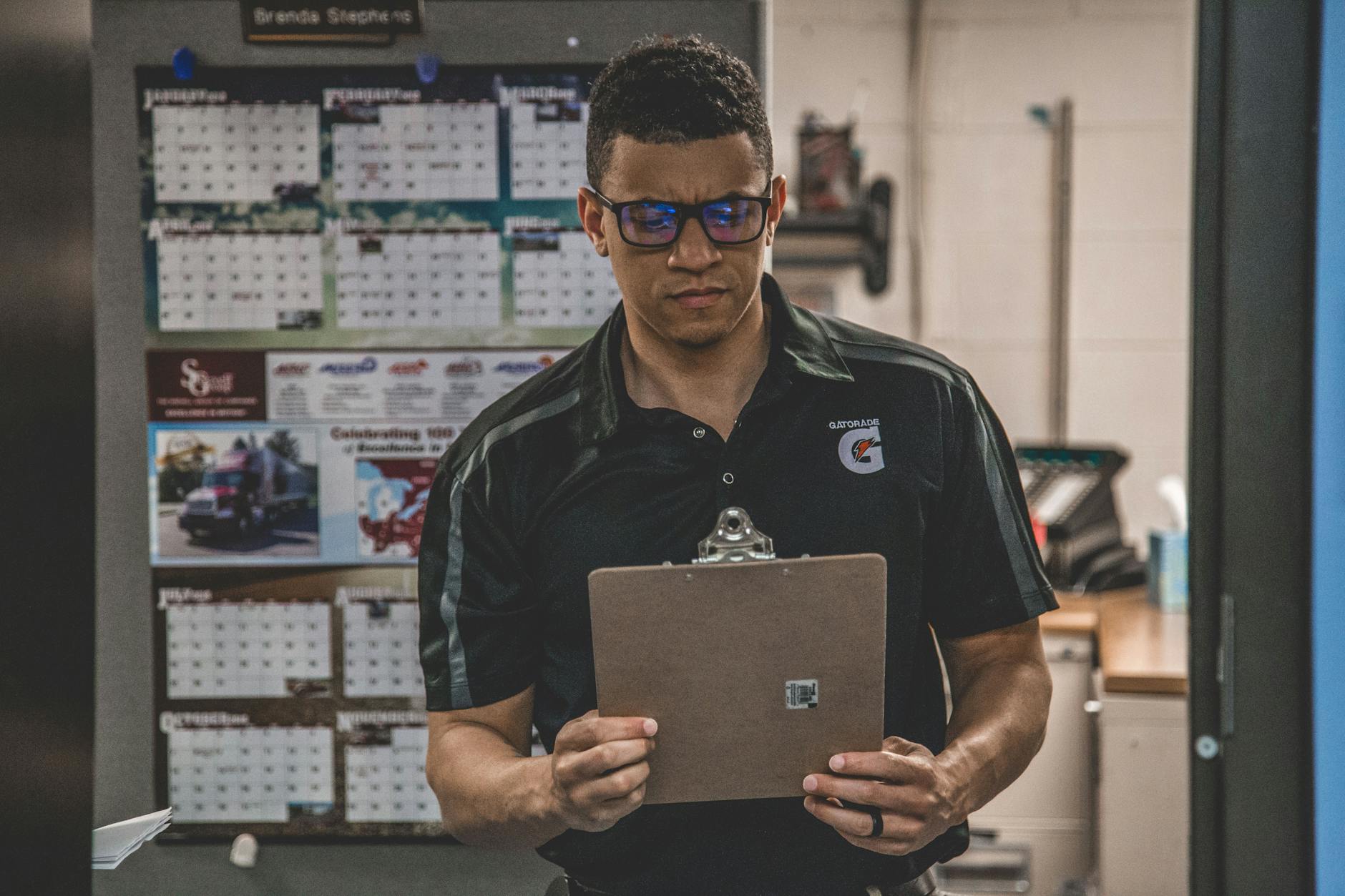
When it comes to outfitting a team in a way that looks professional, feels comfortable, and carries your brand confidently — work polos are almost always the answer. They sit in that sweet spot between smart and casual, making them one of the most versatile uniform options available to Australian businesses, schools, and organisations. Whether you’re coordinating staff attire for a retail floor in Perth, a corporate team day in Melbourne, or a trade show booth in Sydney, a well-chosen polo with quality embroidery or print can do a remarkable amount of heavy lifting for your brand. But with so many fabric weights, decoration methods, and ordering variables to navigate, it helps to go in informed.
Why Work Polos Are a Staple of Australian Workplace Uniforms
There’s a reason branded polo shirts remain one of the top-selling items in the promotional apparel space year after year. They’re adaptable, they suit a wide range of industries, and they’re comfortable enough to wear for an eight-hour shift without complaint.
For businesses in customer-facing roles — think real estate agencies in Brisbane, healthcare clinics in Adelaide, or hospitality venues on the Gold Coast — polos offer a uniform solution that communicates professionalism without the formality of a button-down shirt. Staff feel presentable but not overdressed. Customers immediately identify team members. And importantly, the branding is right there, front and centre.
Schools also rely heavily on work polos for teachers and administration staff, particularly in Queensland and New South Wales where warm climates make lightweight polo fabrics a practical daily choice. For sporting clubs, event crews, and government departments across every state and territory, polos tick the boxes of durability, washability, and brand consistency.
From a budget standpoint, polos typically offer excellent cost-per-wear value when ordered in appropriate quantities — especially when you factor in bulk pricing tiers that kick in at common order volumes.
Choosing the Right Fabric for Your Work Polos
Not all polo shirts are created equal, and the fabric you choose will have a significant impact on how the finished garment looks, feels, and performs over time.
Cotton vs Polyester vs Blended Fabrics
100% Cotton Polos are breathable, soft against the skin, and popular in office and education settings. They tend to hold embroidery particularly well, making them a great choice for logos with fine detail. The trade-off is that cotton can shrink in the wash and may show wear more quickly than synthetic alternatives.
Polyester Polos are common in more active and outdoor environments. They’re moisture-wicking, quick-drying, and highly resistant to shrinkage — making them a smart choice for construction sites, sports events, or outdoor festival crews. However, screen printing and embroidery both work well on polyester; just be sure to discuss heat sensitivity with your decorator if you’re considering heat transfer methods.
Cotton-Polyester Blends (typically 60/40 or 65/35) are arguably the sweet spot for most Australian workplaces. They offer the softness of cotton with the durability and colour retention of polyester. These blends are extremely common in the branded merchandise space and tend to suit a broad range of decoration methods.
If your team is working outdoors in Brisbane or Darwin during summer, you’ll also want to consider UV protection ratings and moisture management. Many premium polo ranges now include UPF 50+ fabric as a standard feature — well worth the investment for outdoor-based roles.
Decoration Methods: What Works Best on Work Polos
The decoration method you choose will affect the finished look, the minimum order quantity, the cost, and how the branding holds up through repeated washing. It’s one of the most important decisions in the ordering process.
Embroidery
Embroidery is the gold standard for work polos in professional environments. It gives logos a premium, tactile appearance that reads as quality and durability. Embroidered branding is particularly popular for corporate businesses, real estate agencies, and schools ordering staff uniforms across Australia.
It’s important to note that very fine detail in logos — thin lines, small text under 6mm, or subtle gradients — can be difficult to reproduce accurately in embroidery. This is where a good conversation with your decorator is essential. For detailed artwork, you might consider simplifying the logo for embroidery purposes or exploring an alternative method.
Setup costs for embroidery typically involve a digitising fee, which converts your artwork into a stitch file. This is a one-time cost, meaning it becomes more economical the more you order.
Screen Printing
Screen printing is an excellent option when you’re decorating polos with bold, simple logos across larger quantities. It’s cost-effective at scale, produces vivid colour results, and works well on most polo fabric blends. For a comprehensive comparison of decoration approaches, our print method comparison chart for promotional products is a great resource to bookmark.
Heat Transfer and DTG Printing
Heat transfer is useful for complex, full-colour designs or smaller runs. Direct-to-garment (DTG) printing is another option gaining traction for shorter runs with photographic-quality artwork. Our quality guide to direct-to-garment printing for promotional products walks through the pros, cons, and ideal use cases in detail.
Minimum Order Quantities, Pricing, and Turnaround Times
Understanding the practicalities of ordering work polos in bulk can save you time, money, and frustration.
Typical MOQs for Custom Polos
Most suppliers in Australia offer embroidered or printed polos with minimum order quantities starting around 12–25 units. Some suppliers may offer lower MOQs for digital or heat transfer decoration, while screen printing typically becomes cost-effective at 50+ units due to setup costs spread across the order.
If you’re a small team — say, a six-person real estate office in Canberra — it’s worth asking about sample garments or lower-MOQ options before committing. Many quality suppliers can accommodate smaller runs at a slightly higher unit cost.
Budget Considerations
Pricing for work polos varies considerably based on garment quality, decoration method, number of logo positions, and quantity. As a general guide:
- Entry-level polos (lightweight polyester, single-colour print): $15–$25 per unit at moderate quantities
- Mid-range cotton-blend polos (embroidered chest logo): $25–$40 per unit
- Premium polos (UPF-rated, multiple decoration positions): $40–$65+ per unit
Bulk pricing tiers typically apply at 25, 50, 100, and 250+ units, so if you’re close to a pricing break, it’s often worth rounding up your order. Extra stock is rarely wasted in a workplace setting.
Turnaround Expectations
Standard production turnaround for embroidered work polos in Australia is typically 10–15 business days after artwork approval. Rush turnarounds are available from some suppliers but generally attract a premium. If you have a hard deadline — a conference, a staff launch date, or a school term start — build in a buffer and allow for proof approval time.
Speaking of proofs, always review your digital proof carefully before approving production. Check logo sizing, placement, thread colours (for embroidery), and any text for accuracy. A missed typo at proof stage is far less painful than discovering it across 200 finished garments.
Ordering Tips for Schools, Businesses, and Events
For Schools and Educational Institutions
A Melbourne secondary school ordering staff polos for the new school year should consider starting the process well in advance — ideally 6–8 weeks before garments are needed. Sizing runs across staff teams can be tricky, so collecting an accurate size list early is essential. Schools can also look at coordinating their polo order with other branded products; our guide to sustainable branded lunch containers for school canteens explores how a joined approach to branding can improve overall cost efficiency.
For Corporate Businesses and Events
Corporate teams attending trade shows or conferences should think about work polos as part of a broader branded merchandise strategy. Polos paired with branded drinkware, tote bags, and lanyards create a cohesive brand presence. Explore how promotional drinkware builds brand awareness and consider bundling items for better supplier pricing. You might also find value in our top 10 branded tote bags guide when planning your full event kit.
For events with diverse teams — such as those celebrating inclusion initiatives like Wear It Purple Day — polos in specific colours can be a powerful visual statement.
For Sporting Clubs and Community Organisations
Clubs in regional areas from Hobart to Darwin should ask about freight costs and turnaround from major distribution centres. Many suppliers ship nationally, but lead times can vary. For clubs ordering across multiple product types, our promotional products ROI data article provides useful context on how branded apparel compares to other merchandise investments.
Caring for Your Branded Work Polos
To extend the life of embroidered or printed work polos, encourage staff to:
- Wash inside-out on a cool, gentle cycle
- Avoid bleach and fabric softeners (these can degrade embroidery thread and printed inks over time)
- Tumble dry on low or air dry flat where possible
- Iron on low heat and avoid ironing directly over printed or embroidered logos
Simple care guidelines included with a staff uniform pack go a long way toward maintaining the appearance of branded garments across the team.
Key Takeaways
Navigating the world of work polos doesn’t need to be complicated. Here’s what to keep front of mind as you plan your order:
- Fabric matters: Match your polo fabric type (cotton, polyester, or blend) to your team’s environment, climate, and comfort needs.
- Choose your decoration wisely: Embroidery suits corporate and professional settings; screen printing is cost-effective at scale; DTG and heat transfer work well for complex artwork and smaller runs.
- Plan your order timeline: Allow at least 10–15 business days for production after proof approval, and more if your order is large or involves multiple locations.
- Leverage bulk pricing: If your quantity is close to a pricing tier threshold, rounding up can deliver significant savings per unit.
- Think beyond the polo: Work polos perform best as part of a broader, coordinated brand presence — consider pairing them with branded insulated water bottles, notebooks, or other merchandise for maximum impact at events and in the workplace.
Well-chosen work polos are one of the most enduring investments an Australian organisation can make in its brand identity. With the right fabric, the right decoration, and a little planning — your team will look cohesive, professional, and unmistakably yours.